Skip to content
H A S Royal Cool Service logo

H A S Royal Cool Service

Trusted Appliance ExpertsacrossVasaiVirarNalasoparaNaigaon

⚡ Same-Day Doorstep Service📞 88286 34628
Home › Blog
Expert Tips & Guides

Appliance Care Tips From Vasai-Virar’s Repair Experts

Practical guides on AC, fridge, washing machine, geyser and microwave care — written by technicians who fix them every day.

AC Care • 6 min read

Top 5 AC Maintenance Tips for Mumbai Summer

Read the full guide

Mumbai and the Vasai-Virar belt mean long, humid summers, salty coastal air and almost non-stop AC use from March to June. That combination quietly punishes air conditioners: filters clog, coils corrode and compressors work harder than they should. The good news is that five simple habits prevent most breakdowns.

1. Clean the filters regularly

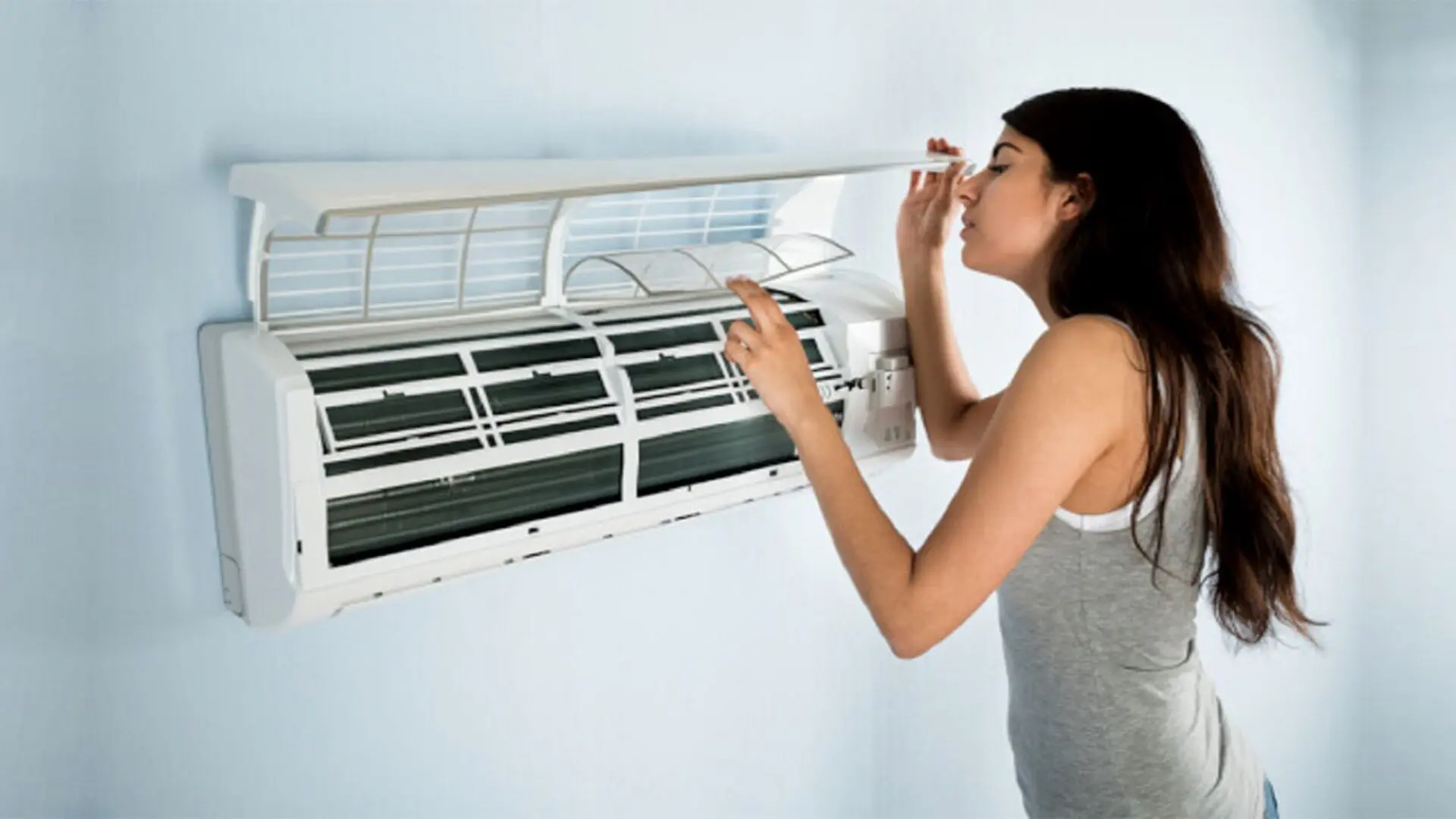
The mesh filters behind the front panel catch dust, hair and fibres. When they clog, airflow drops, the indoor coil can freeze and the compressor strains. In peak summer, remove and rinse the filters every two to four weeks. Let them dry completely in shade before putting them back.

2. Book a jet service before summer

Washing the filters is not enough. Dirt builds up on the indoor coil, blower wheel and drain tray, which reduces cooling and causes bad smells and water dripping. A professional AC jet service cleans these parts with pressurised water, checks the capacitor and gas pressure and clears the drain line. Do it in February or March, before the first heatwave, not after the unit has already failed.

Tip: If your AC has not been serviced for a year or more, expect noticeably better cooling after a proper jet service.

3. Protect the outdoor unit from salt and dust

In coastal areas like Vasai, Virar and Naigaon, salty air corrodes the condenser coil and fins over time. Keep these habits:

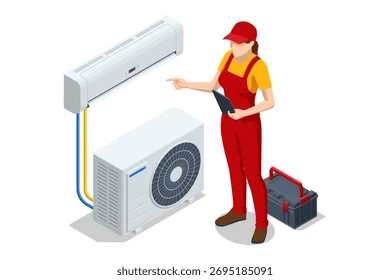
  • Leave at least about 30 cm of free space around the outdoor unit so air can flow.
  • Gently rinse the condenser with plain water now and then (switch off the AC first) to remove salt and dust.
  • Keep it out of direct water spray and away from clothes lines and stored items.
  • Ask your technician to check the copper pipes and mounting stand for rust during each service.

4. Use smart temperature settings

Set the AC to 24 to 26 degrees Celsius with the fan on auto. Each degree lower can raise power use by roughly 5 to 6 percent, and it rarely makes the room cool faster. During humid monsoon days, use Dry mode to remove moisture instead of running full cooling. If your AC has a fan-only mode, run it for 15 to 20 minutes before switching off so the coil dries and mould does not grow.

5. Watch for leaks and weak cooling

Gas is not “used up” in an AC. If cooling has weakened, there is usually a leak, a dirty coil or a failing part. Call a technician if you notice:

  • Ice on the indoor unit or the thin copper pipe
  • Water dripping inside the room
  • Hissing sounds, or oily marks at pipe joints
  • The AC running all day without reaching the set temperature
  • Unusual noises or the outdoor fan not spinning

Topping up gas without finding the leak is only a temporary fix. Read our guide on why an AC stops cooling for more.

Frequently asked questions

How often should I service my AC in Vasai-Virar?

Twice a year is a good rule near the coast: one full jet service before summer and another after the monsoon. Heavy-use or commercial ACs may need more frequent servicing.

Can I clean the AC filter myself?

Yes. Switch the AC off, slide out the filters, wash them gently in lukewarm water, dry them in shade and refit. Do this every two to four weeks in peak season.

What temperature is best for an AC?

Most people are comfortable at 24 to 26 degrees Celsius with the fan on auto. Lower settings use noticeably more electricity.


Fridge Care • 6 min read

How to Prevent Fridge Gas Leakage

Read the full guide

Your refrigerator runs on a sealed loop of refrigerant that moves heat out of the cabinet. Unlike petrol in a car, this gas is never used up. So when a fridge slowly stops cooling and someone suggests “just refill the gas”, the real question is: where is the leak?

What causes fridge gas leakage

  • Corrosion: Moisture and salty coastal air can rust the evaporator or condenser tubing over time.
  • Physical damage: Using a knife or ice pick to remove frost can puncture the evaporator.
  • Vibration: A fridge that is not level, or pipes touching the body, can crack joints and welds.
  • Blocked drain: Water pooling around coils speeds up corrosion.
  • Poor earlier repairs: Weak welding or low-quality joints can reopen later.

Warning signs

  • Fridge compartment is not cold but the compressor keeps running
  • Freezer frosts only in part of the evaporator
  • Hissing or bubbling sounds
  • Oily residue on pipe joints or behind the fridge
  • Electricity bill rising while cooling gets worse
Safety: If you suspect a leak, avoid naked flames and sparks, ventilate the room and call a technician. Do not keep switching the plug on and off.

How to prevent it

  1. Never chip ice with sharp tools. Switch off, empty the freezer and let ice melt naturally (or use the defrost function).
  2. Leave breathing space. Keep roughly 10 to 15 cm free behind and on the sides for airflow.
  3. Level the fridge using the adjustable feet to reduce vibration.
  4. Keep it away from damp walls and sinks where possible, and wipe water spills quickly.
  5. Clean the condenser coils twice a year with a soft brush so the compressor does not overwork.
  6. Use a voltage stabiliser if your area has frequent fluctuations.
  7. Service on time. A yearly check catches rust and weak joints early.

What a proper repair involves

A professional repair finds the leak first, usually by pressure testing and visual inspection, then repairs or replaces the damaged section, vacuums the system to remove air and moisture, and refills the correct refrigerant by weight. Topping up gas without fixing the leak is a temporary fix that will fail again. See our fridge repair service or deep freezer service for details.

Frequently asked questions

Does a fridge need regular gas refilling?

No. A fridge uses a sealed system and the gas does not get used up. If gas is low, there is a leak that must be found and repaired.

Is fridge gas leakage dangerous?

Many modern fridges use a flammable refrigerant in small quantity. Avoid flames and sparks near a suspected leak, ventilate the room and call a technician.

Can a leak be repaired, or must I replace the fridge?

In most cases the leaking joint or tube can be repaired, the system vacuumed and gas refilled by weight. Your technician will tell you if the damage makes repair uneconomical.

Washing Machine • 7 min read

Washing Machine Error Codes Explained

Read the full guide

Modern washing machines diagnose themselves and flash a short code on the display when something is wrong. Those codes look cryptic, but most point to a handful of issues: water not coming in, water not going out, an unbalanced load or a door that is not locking. Below are the most common ones.

Note: Codes differ by brand and model. Use this as a general guide and confirm in your manual.

Common LG error codes

CodeMeaningFirst thing to check
IEWater inlet errorTap fully open, inlet hose not kinked, inlet filter clean
OEDrain errorDrain hose not blocked or too high, drain filter clean
UEUnbalanced loadRedistribute clothes; avoid washing one heavy item alone
dEDoor not closed or lockedClose door firmly; check for clothes caught in the seal
FEOverfillingSwitch off and call a technician; may be a water-level or valve fault
PEWater-level (pressure) sensor errorTechnician check recommended
LEMotor problem or locked rotorReduce load; if it repeats, call a technician

Common Samsung error codes

CodeMeaningFirst thing to check
4E / 4CWater supply problemTap, hose and inlet filter
5E / 5CDrain problemDrain hose and pump filter
UB / UEUnbalanced loadRearrange clothes and re-run spin
dE / dCDoor errorClose the door firmly; check lock
HE / HCHeating problemTechnician check for heater or sensor
LE / LCWater leak detectedCheck hoses and fittings; switch off
3E / 3CMotor or tacho sensor problemTechnician check recommended

Other brands (IFB, Whirlpool, Bosch, Godrej and more)

These brands use their own codes, often starting with an F or E. The meaning changes between models, so check the manual or the sticker inside the lid or door. Most still fall into the same families: water inlet, drain, door lock, imbalance, heating or motor.

Safe fixes to try first

  1. Reset: Switch the machine off, unplug it for 2 to 5 minutes and restart.
  2. Check the supply: Make sure the tap is open and the inlet hose is straight. Clean the small mesh filter at the tap end of the hose.
  3. Clean the drain filter: Switch off, place a tray, open the filter cover and remove lint, coins and hair pins.
  4. Rebalance the load: Mix large and small items and avoid overloading.
  5. Check the door: Make sure nothing is stuck in the door seal.
Safety: Always unplug the machine before cleaning filters or touching hoses. Never open electrical parts yourself.

When to call a technician

If the same code returns after the checks above, if there is any leakage, burning smell or loud grinding, or if the error points to the motor, heater or pressure sensor, it is time for a professional. Our washing machine repair team handles fully automatic, semi-automatic and front-load machines.

Frequently asked questions

Are error codes the same for every brand?

No. Codes vary by brand and even by model. The ones below are common on LG and Samsung machines. Always check your user manual for your exact model.

Is it safe to keep using the machine after an error?

Stop the cycle, switch off and fix the cause first. Ignoring water, drain or door errors can lead to leaks or motor damage.

When should I call a technician?

If the code returns after you have checked the basics, if water is leaking, or if you see a motor, heater or pressure-sensor error.

AC Repair • 6 min read

AC Not Cooling? 7 Common Causes and Fixes

Read the full guide

An AC that blows warm or weak air is one of the most common calls we get between March and June. Before assuming the worst, work through these seven causes, ordered from simple to serious.

1. Wrong settings or an overloaded room

Check that the AC is in Cool mode with a temperature lower than the room temperature. Open doors, big west-facing windows and a unit that is too small for the room can all make cooling feel weak.

2. Dirty air filters

Clogged filters choke the airflow. Wash them in lukewarm water, dry them and refit. This alone fixes many cases.

3. Frozen indoor coil

If ice forms on the indoor unit, switch the AC off and run only the fan until it melts. Freezing is usually caused by dirty filters, low airflow or low refrigerant.

4. Dirty outdoor condenser

Dust and salt on the outdoor coil stop heat leaving the system. A professional jet wash restores performance. Never spray the unit while it is running.

5. Low refrigerant (gas leak)

Signs include weak cooling, hissing, ice on the thin pipe or oily joints. Gas is not consumed, so a low level means a leak. A proper repair finds and fixes the leak, vacuums the system and refills the exact quantity. See AC gas charging.

6. Failed capacitor, fan motor or compressor

If the indoor fan runs but the outdoor unit does not start, or the outdoor fan hums without spinning, a capacitor is often the cause. It is a low-cost part but must be replaced by a technician because it stores electrical charge.

7. Faulty sensor or PCB

A damaged room sensor or control board can make the compressor shut off early. Error codes on the display usually point to this. Needs professional diagnosis.

Quick checklist: Settings correct → filters clean → no ice → outdoor fan spinning → no dripping or hissing. If all are fine and cooling is still poor, book a technician.

Frequently asked questions

Why is my AC running but not cooling?

Common reasons are clogged filters, a dirty coil, low refrigerant from a leak, a failed capacitor or a faulty sensor.

Is low gas the main reason for poor cooling?

It is one possibility, but a dirty filter or coil is more common. Low gas always means there is a leak.

Can I run the AC if the indoor unit is freezing?

No. Switch it off and let the ice melt, otherwise water can leak and the compressor can be damaged.

Geyser • 5 min read

Geyser Safety and Maintenance Tips for the Monsoon

Read the full guide

During the monsoon, bathrooms stay damp and humidity is high. That is exactly when electrical safety on your geyser matters most. These tips apply to most storage and instant geysers.

1. Check earthing and use an ELCB/RCCB

A geyser must be properly earthed, with a three-pin socket and a good-quality copper wire. An ELCB or RCCB in your distribution board cuts power quickly if current leaks. If your home does not have one, ask an electrician to fit it.

2. Keep the switch outside the bathroom

Use an isolator switch with an indicator light, fitted outside the wet area. Never operate the geyser switch with wet hands.

3. Do not bypass the safety valve

The pressure relief valve and thermostat protect you from over-pressure and over-heating. Never block, remove or bypass them. A little water dripping from the valve during heating is normal for some models, but constant dripping needs checking.

4. Descale and inspect the anode rod

Hard water leaves scale on the heating element, which wastes electricity and shortens its life. Descaling once a year helps. In storage geysers, a sacrificial anode rod protects the tank from rust and should be inspected periodically and replaced when badly corroded.

5. Watch for warning signs

  • Water not getting hot, or taking much longer
  • MCB tripping when the geyser is switched on
  • Water leaking from the tank or joints
  • Rusty or brown hot water
  • Hissing, steam or burning smell
  • Any tingling or shock
Safety: If you suspect an electrical fault, switch off at the MCB and do not touch the geyser. Call a technician.

Read more about our geyser repair service, which covers heating element and thermostat replacement and leakage repair.

Frequently asked questions

How often should a geyser be serviced?

Once a year is a good rule, and more often if you have hard water. Service includes descaling, checking the heating element, thermostat and safety valve.

Why is my geyser giving a tingling shock?

Switch it off at the MCB immediately and call a technician. It may indicate an earthing or insulation fault.

Is it safe to leave the geyser on all day?

It is better to switch it off after use. Many geysers have a thermostat, but switching off reduces risk and saves electricity.

Microwave • 5 min read

Microwave Not Heating? Magnetron Symptoms and Fixes

Read the full guide

When a microwave lights up, hums and turns the plate but the food stays cold, the heating circuit is failing. Understanding which part is at fault helps you decide what to do next.

How a microwave heats food

A transformer and capacitor feed high voltage through a diode to the magnetron, which produces the microwaves. If any of these fail, the oven looks normal but does not heat.

Symptoms and likely causes

SymptomLikely cause
Lights and turntable work, no heatingFaulty high-voltage diode, capacitor or magnetron
Loud buzzing or humming, no heatFailing magnetron or capacitor
Sparking insideMetal in cavity, damaged waveguide cover or food residue
Dead, no displayBlown fuse, power supply or control board problem
Starts then stopsDoor switch or interlock fault
Burning smellBurnt food residue or electrical fault; stop using

Safe checks at home

  1. Make sure the door closes fully and the latch is not damaged.
  2. Check the power outlet, plug and MCB.
  3. Test with a microwave-safe cup of water for one minute. Never run it empty.
  4. Clean food splatter and the waveguide cover area as described in your manual.
Do not open the casing. The high-voltage capacitor can store a dangerous charge even after the oven is unplugged.

Repair or replace?

A technician can test the diode, capacitor and magnetron and tell you which part has failed. For a good oven, magnetron replacement is a common and worthwhile repair. For a very old or heavily damaged unit, replacing it may be more sensible. We will give you honest advice.

Frequently asked questions

Is it safe to open a microwave myself?

No. The high-voltage capacitor can hold a dangerous charge even when unplugged. Leave internal repairs to a technician.

Is a magnetron replacement worth it?

Often yes for a good-quality oven that is otherwise sound. Your technician can advise based on the oven’s age and the cost.

Why is my microwave sparking?

Metal items, damaged waveguide covers or food splatter inside the cavity are common causes. Stop using it until checked.

Appliance acting up right now?Skip the guesswork — a specialist technician can visit today.
⇧ Call Now